
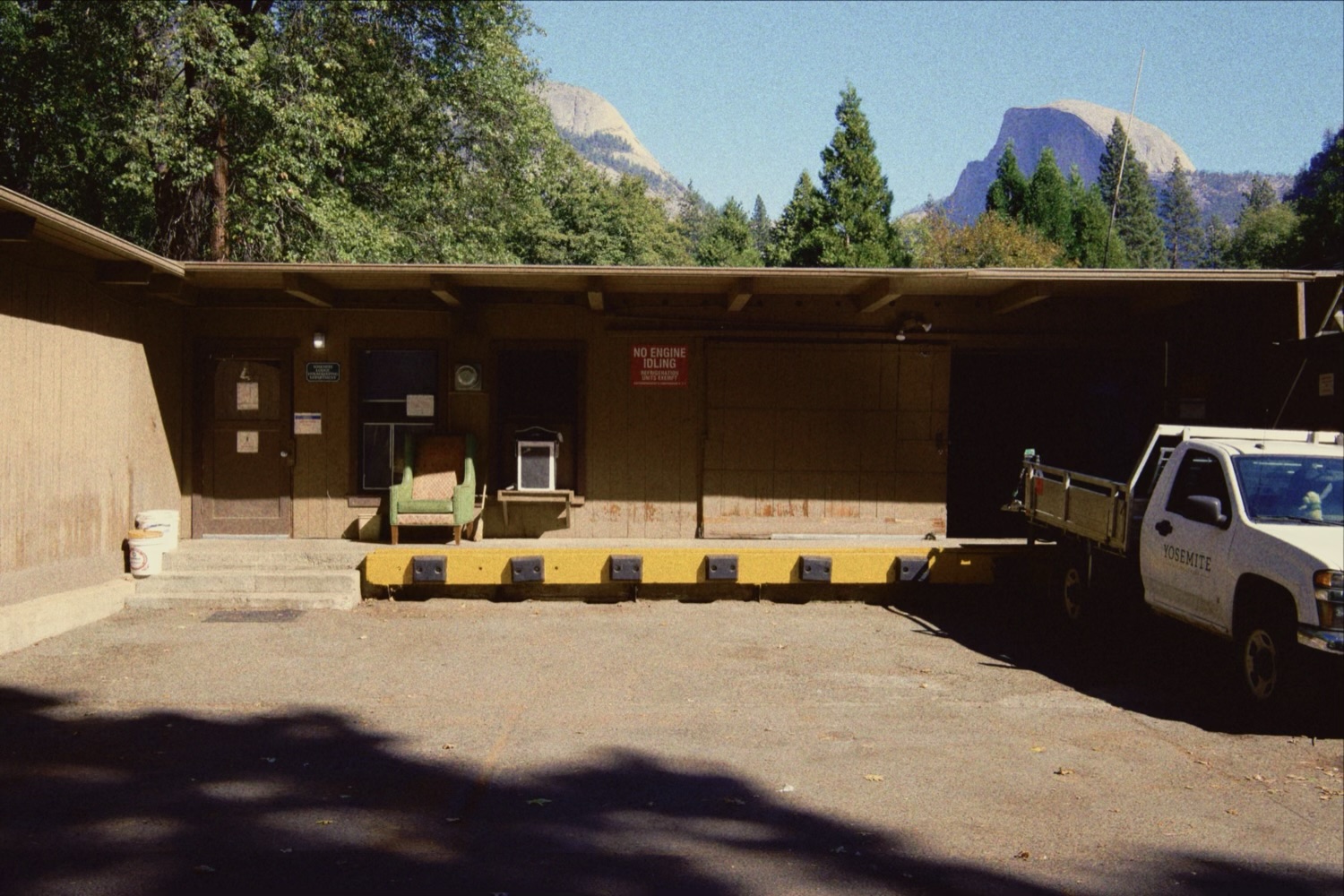
Grain
There are two types of grain. Film grain is a particle simulation that renders every grain individually, in a complex structure at microscopic scale. Digital takes a more standard approach, with a simpler, more uniform structure.
Film format is the size of negative the grain is enlarged from – coarse at 8mm, fine at 120 and 4×5. The crystals are the same size on the film; what changes is how far they’re blown up. It works with both types.
Film speed sets the whole texture in one tap, from fine at ISO 25 to heavy at 3200.
Strength is how much of the grain reaches the picture without changing what the grain is: turn it down and a coarse grain gets quieter but stays coarse.
Sync grain, on the Film panel, sets the speed to each stock’s own.
Structure
Amount is how much grain the emulsion has – how much of the picture the crystals carry.
Size sets the average size of grain crystals. Larger grain has higher amplitude and gradually becomes stronger, not just larger.
Roughness is how evenly the crystals are spread. Low gives a near-regular pattern of same-sized crystals; high bunches them into dense patches with gaps between and mixes large with small, so the grain reads coarser without getting bigger.
Softening is the film’s resolving power, matched to the crystal – bigger grain resolves less detail. Zero is that match. Below zero the picture keeps more detail than its grain would really allow; above zero, less.
Color is how much color the grain carries, from monochrome at zero to fully colored.
Amplitude
Global makes the grain louder, up to three times.
Shadows, Midtones and Highlights set the amplitude of each tone band, starting from the global value. Reach for them when you want more grain in the shadows or quieter highlights.