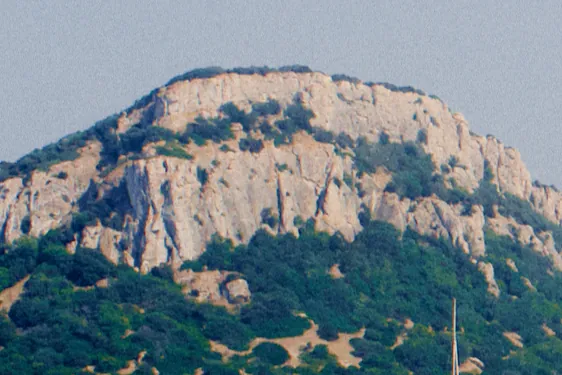
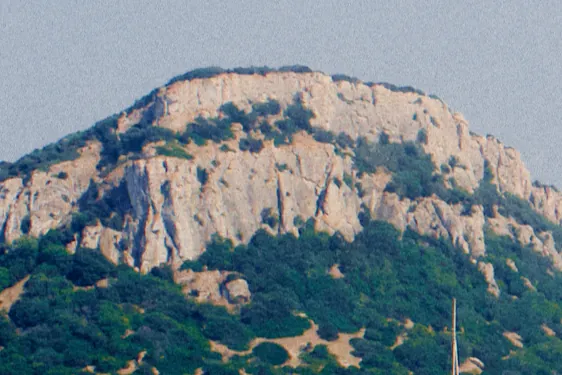
What shapes the complex structure of film grain and how Film(ish) recreates it
Film does not have grain – film is grain.
A film emulsion is gelatin with silver halide crystals suspended in it. The crystals are visible only under a microscope; what you see as grain is clumps of them, or the dye clouds they leave behind.
Light that reaches a crystal exposes it, and the developer reduces an exposed crystal to silver. A crystal develops or it does not. There is nothing in between: film has no grey crystals. A mid grey is a patch where about half the crystals developed. 2
In color film each developing crystal also forms a cloud of dye around itself. The silver is then bleached away. What remains is dye clouds in three sets of layers: yellow, magenta and cyan. 4
The crystals sit where the coating left them, at random. Some spots hold more of them than others, and every tone in the picture carries that unevenness. Kodak puts graininess down to the size, number and random distribution of those particles. 5 Grain is not a texture on top of the picture. It is what the picture is made of, seen close.
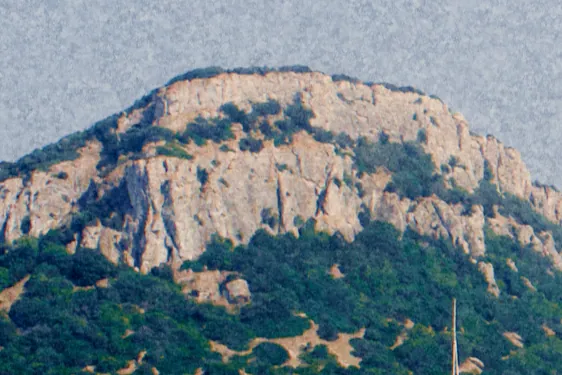
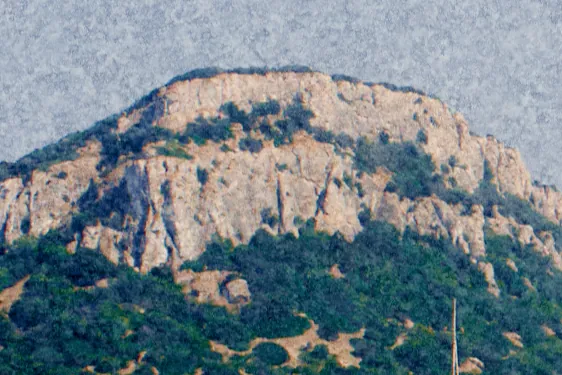
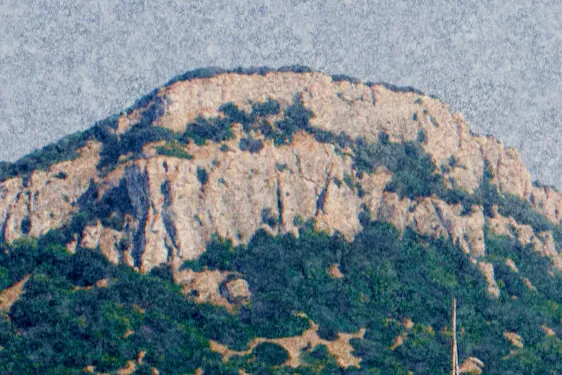
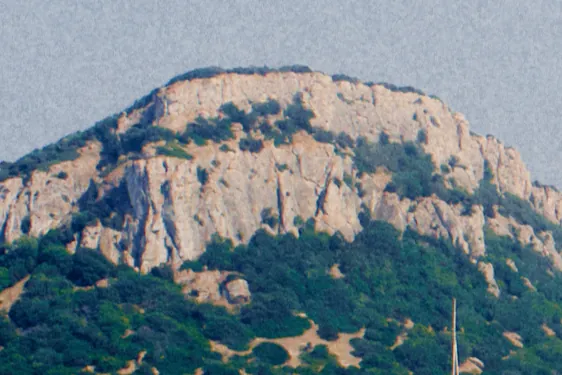
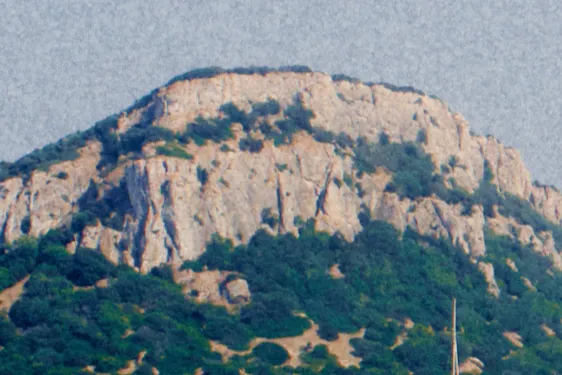
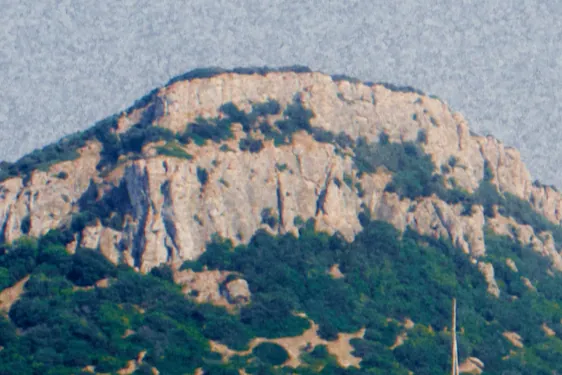
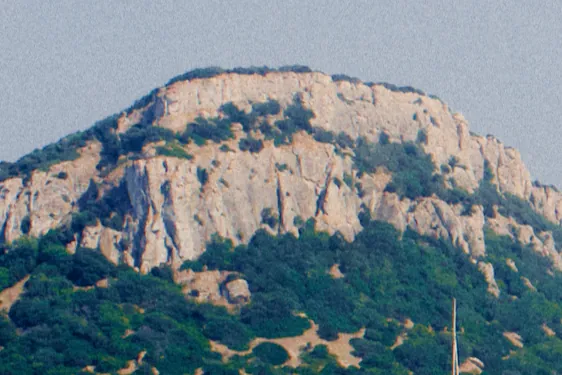
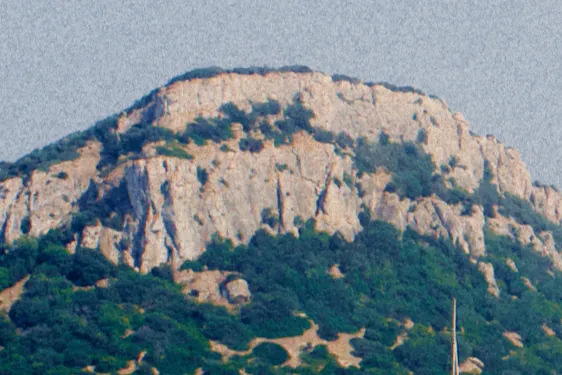
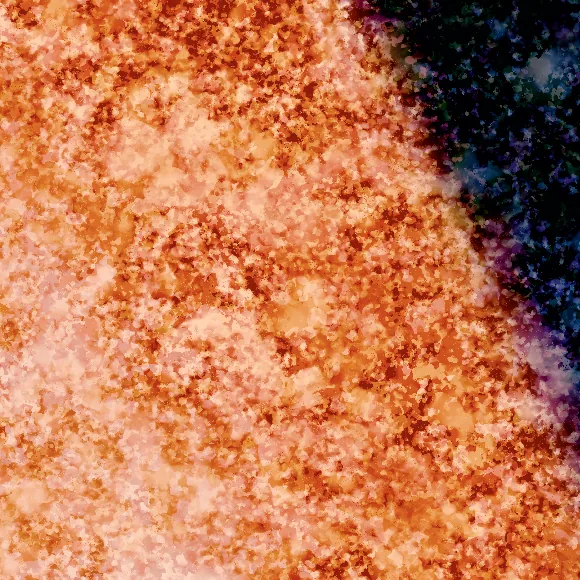
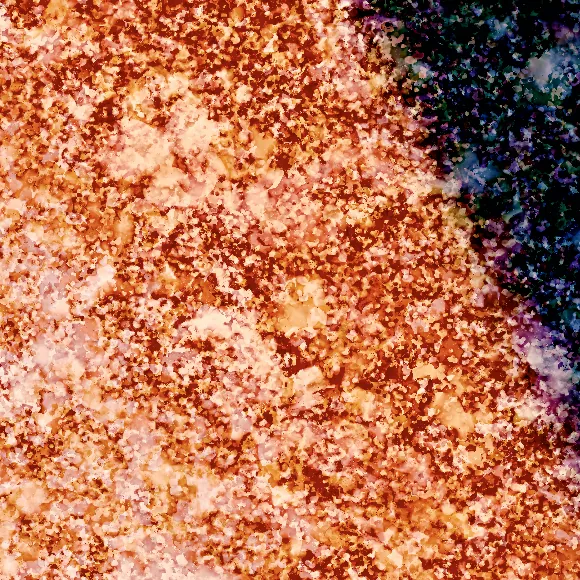
The next example has grain turned way up for illustration purposes.

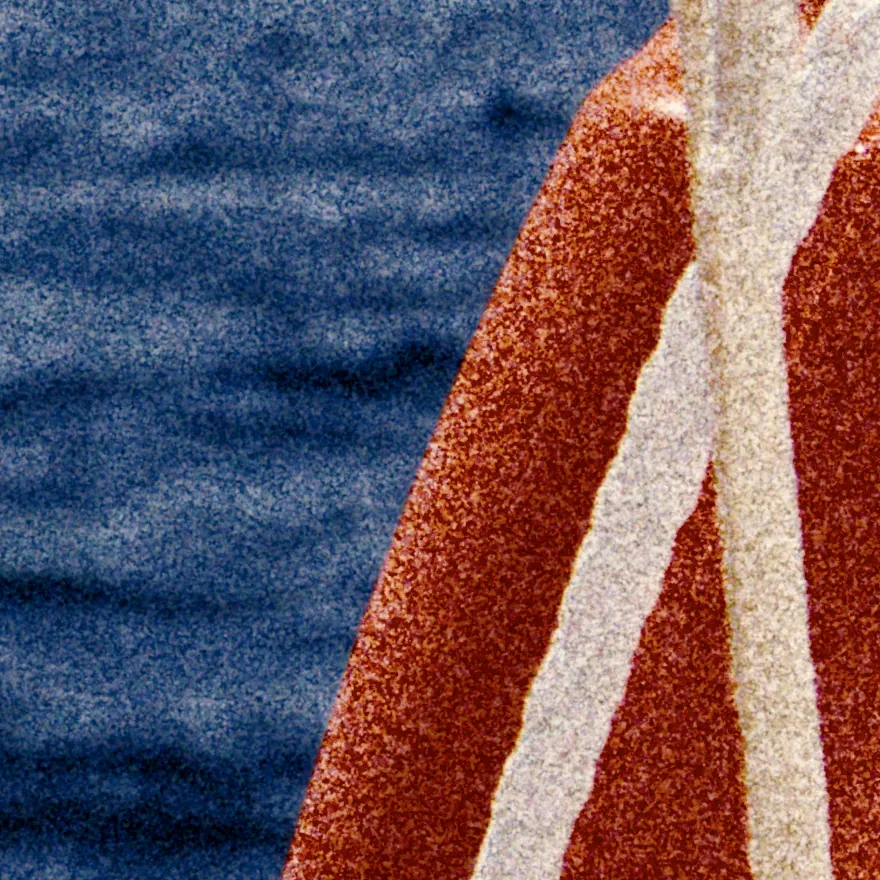
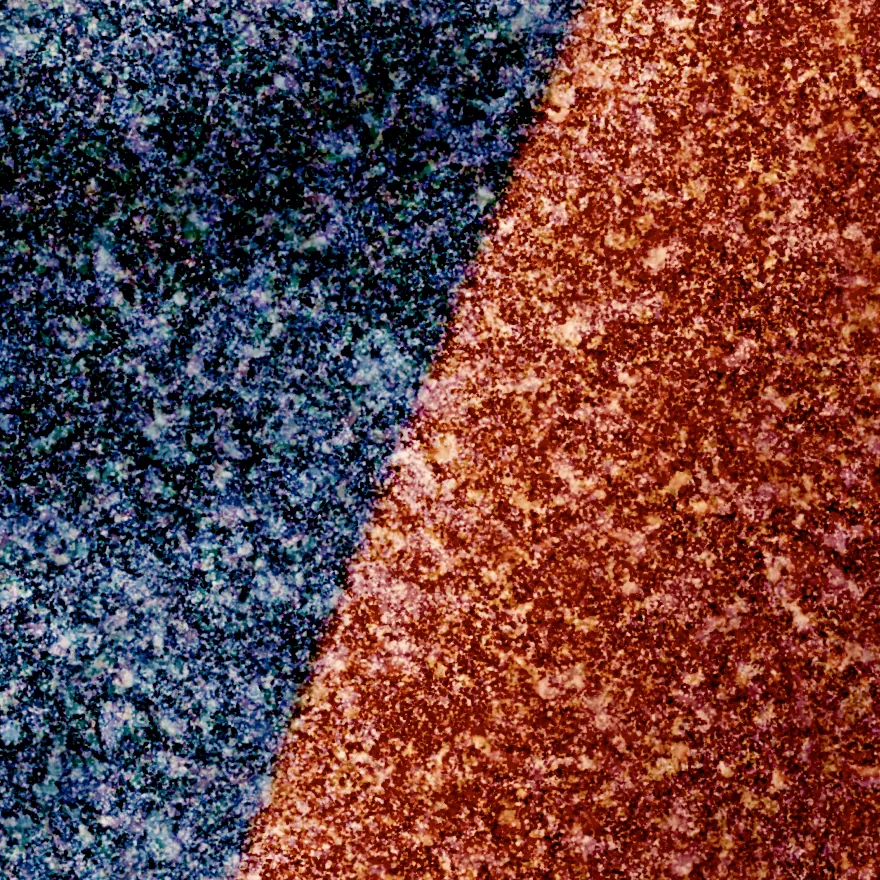
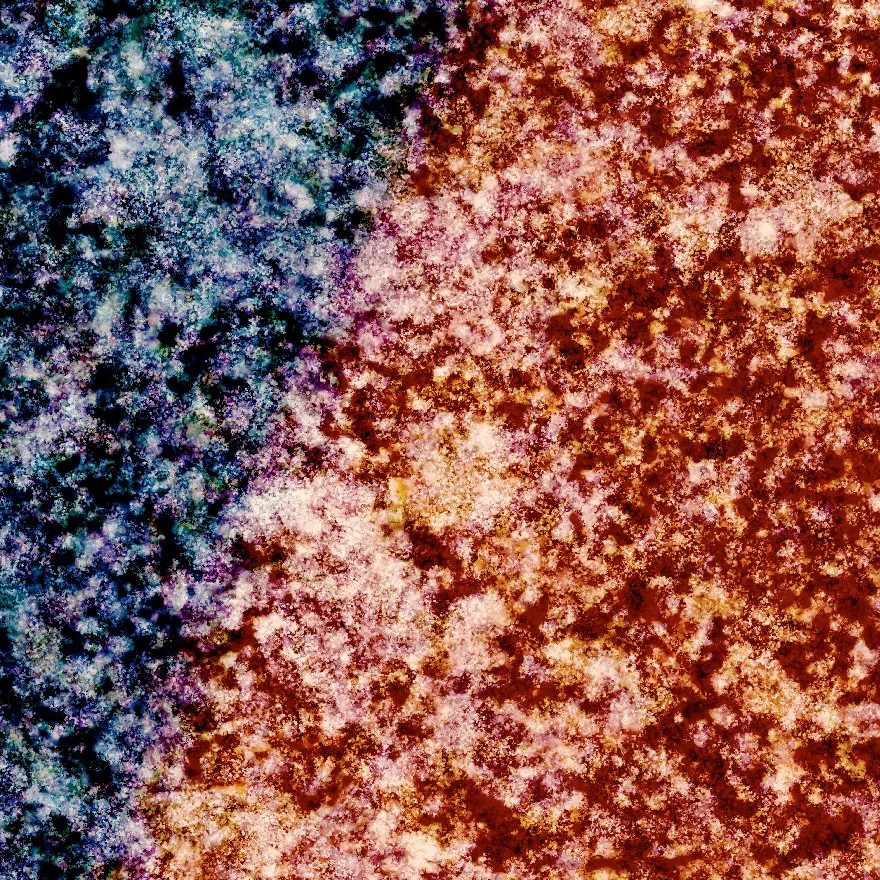
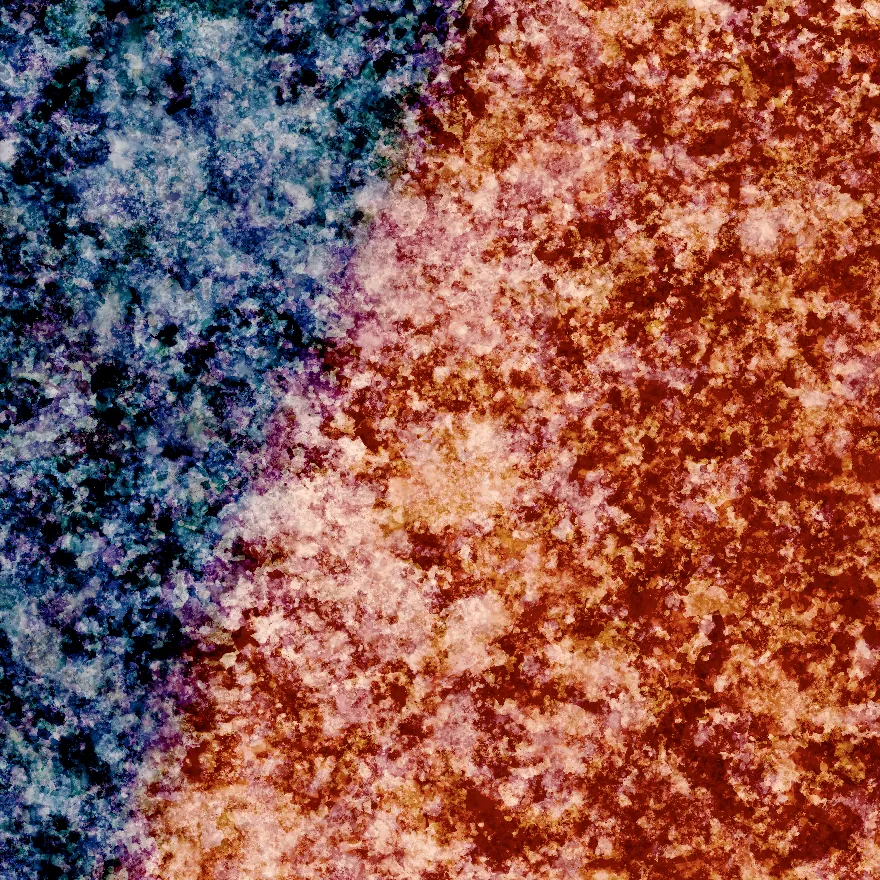
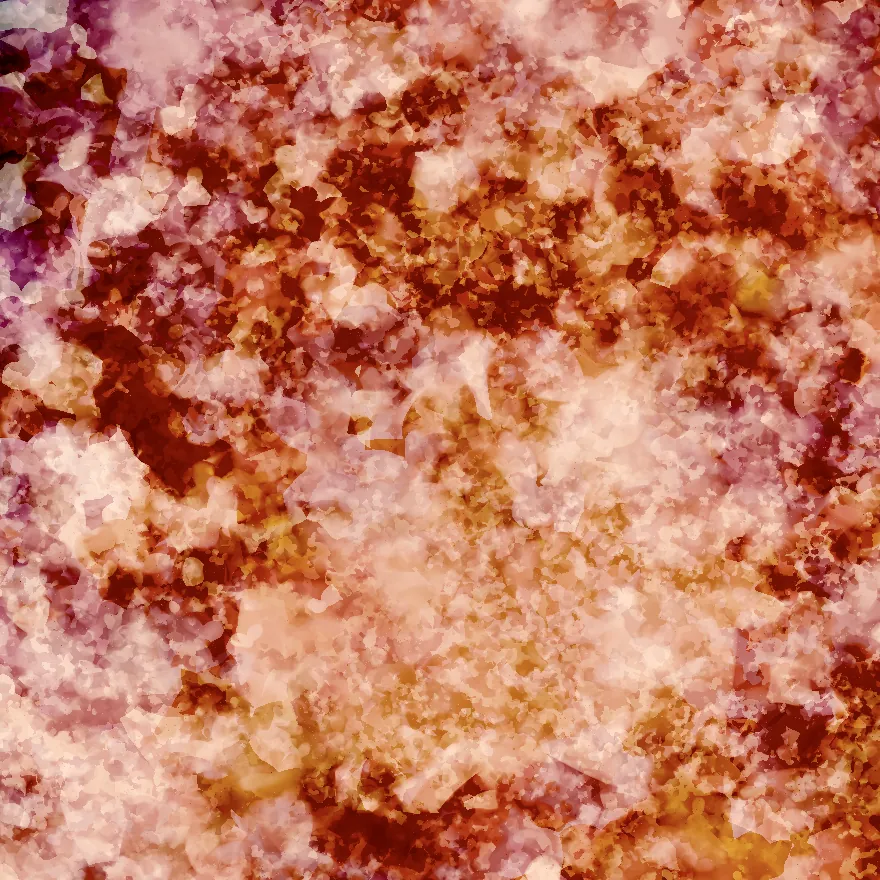
In the app the grain magnification is limited by export resolution. Outside the app the engine does not have this limit and can render grain at micrometer scale – this is how the examples from 4× to 64× were generated.
At 16× and 64× a finer grain shows under the first; it stands for the smallest dye clouds.

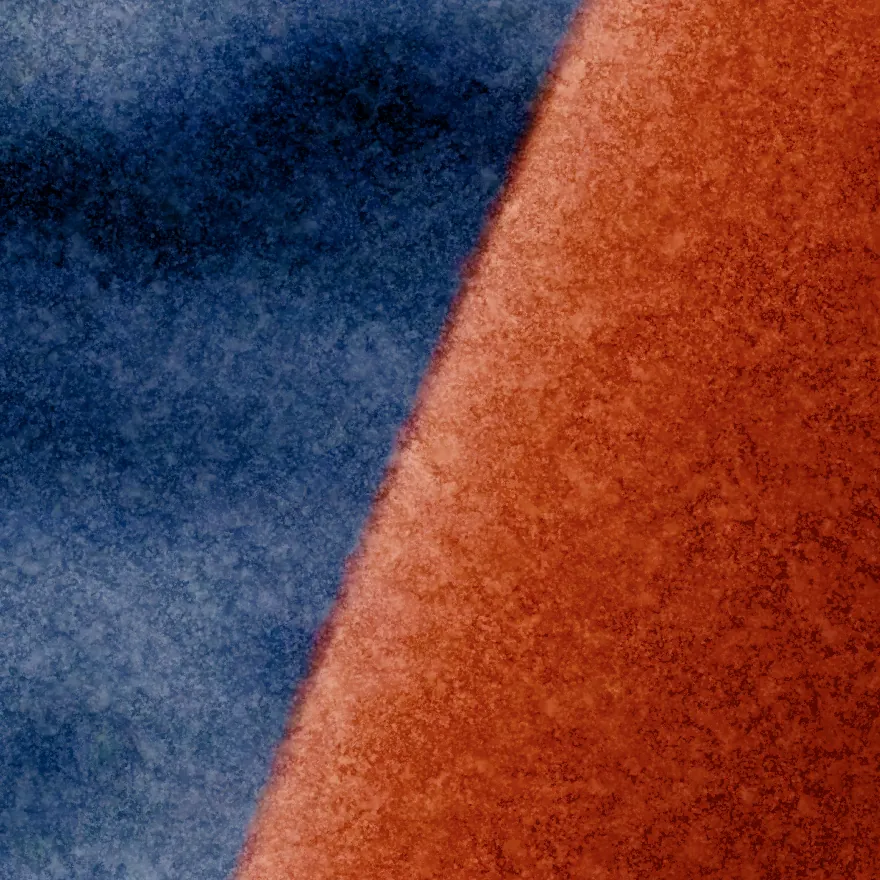
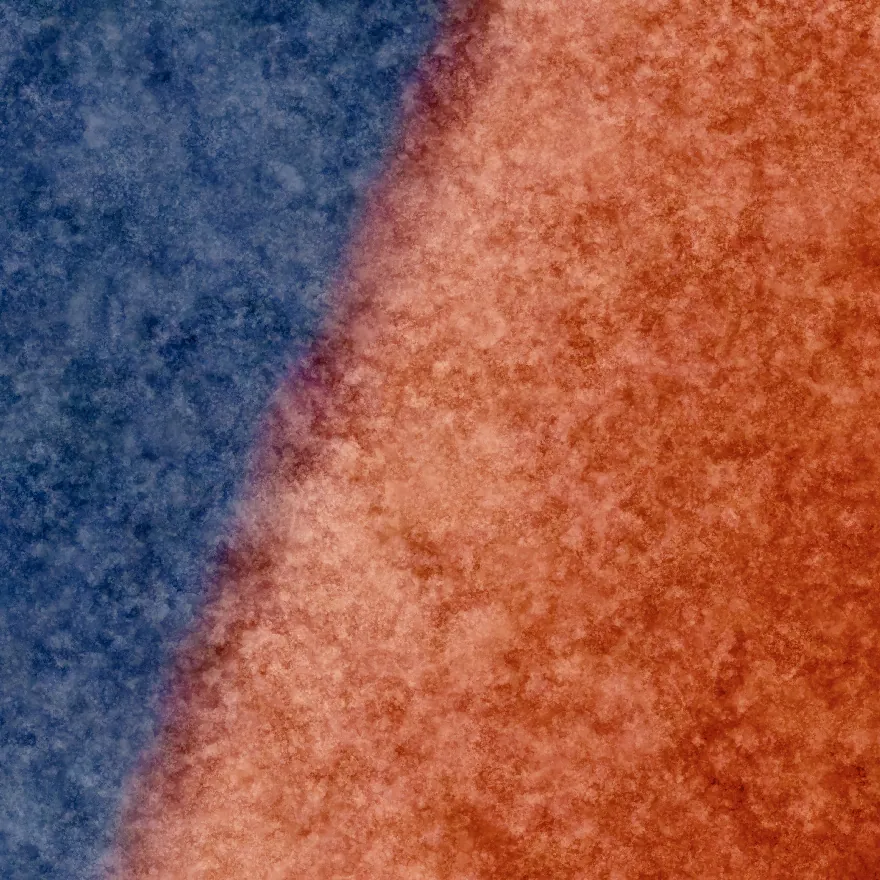
A format is named for the width of its strip; the picture is narrower. The gate of 8mm is 5.7 mm across, 16mm is 10.3 mm, 35mm 24 mm, 70mm 52.6 mm.
The crystals are the same size on all of them. What changes is the enlargement. To fill the same screen, an 8mm frame is enlarged four times more than 35mm and nine times more than 70mm. Its grain is enlarged with it. The same grain looks coarse on 8mm and fine on 70mm.
Film speed changes the crystals themselves: faster film has larger ones, so it shows more grain on every format.

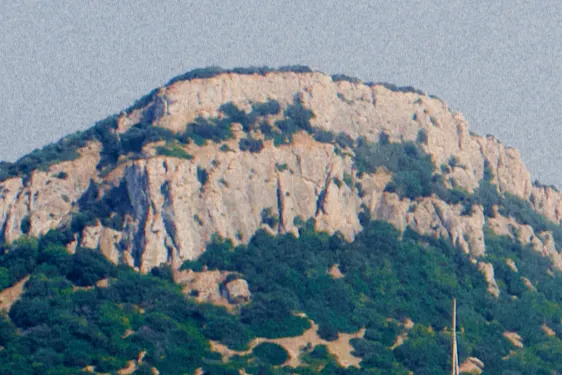
Under an electron microscope, an emulsion is a crowd of separate crystals, no two the same.
Older emulsions hold rounded, irregular crystals. Newer ones hold tabular crystals: flat plates with three or six sides, lying parallel to the film's surface. Kodak brought them to color film in 1982 as T-GRAIN. Nearly all color films use them now. 4 10
A silver halide crystal is 0.2 to 2 micrometers across. Sizes vary widely inside one emulsion: many small crystals, few large ones. Faster film needs larger crystals: a larger crystal catches more light. 5 Mees and James list a mean of 0.3 micrometers for motion picture print film and 1.1 micrometers for high-speed roll film. 4
A color negative stacks its crystals in layers. The blue-sensitive layers are on top, then a yellow filter, then the green-sensitive layers, then the red-sensitive ones. Each color has two or three layers of its own, from slow and fine to fast and coarse, up to nine in all. Light crosses every one of them, and tens to hundreds of particles overlap along its path. 4
A single crystal is too small to see in a print or a scan. In color film what remains of it is the dye cloud. The grain you see is larger again: clusters of dye clouds overlapping through the depth of the emulsion. 4
In 2017 Newson, Delon and Galerne turned this description into a model. Crystals are discs placed at random. Their radii follow a log-normal distribution. The chance that a point is covered by a crystal equals the tone of the picture at that point. The model holds at any enlargement, down to the scale of the grains themselves. 1 2 Film(ish) started from that paper.
Film(ish) places its particles at the scale of the grain you see. A particle is about 9 micrometers across at ISO 25 and 16 micrometers at ISO 3200. Each one stands for a small cluster of developed crystals and their dye. At 8mm, 16mm or in a close-up, where the enlargement can show it, a finer grain appears underneath, a fifth to a third of that size.
Grain engines differ in one thing: what the grain is made of.
Most apps take a random pattern and lay it over the finished picture. The pattern is generated, or it comes from a scan of real film. It is the most common approach and the fastest. Lightroom applies its grain with three sliders: Amount, Size and Roughness. 7 In the simplest form the pattern knows nothing of the picture, so it looks the same in shadows, midtones and highlights.
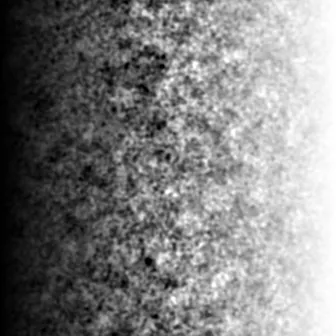
Grain follows known laws. Its strength depends on the tone, on the size of the crystals and on the area each pixel covers. A statistical model works those numbers out for every pixel and generates noise that matches them. No particle is drawn. In 2023 Zhang, Wang, Tian and Pappas published one that runs in real time, for enlargements where single grains are not visible. 3 The strength is right at every tone. Close up there is no structure to see.
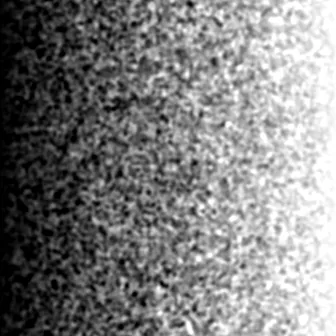
Every crystal is placed and developed, and the picture is rebuilt from the result. Newson, Delon and Galerne's renderer works this way. 2 It holds at any enlargement. It is slow: the authors report 2.4 seconds for a 512 × 512 image with the faster of their two algorithms. Aurélien Pierre describes a simulation of crystals stacked in layers; 6 Dehancer says the grain in its plugins is three-dimensional particles in an emulsion with thickness. 8
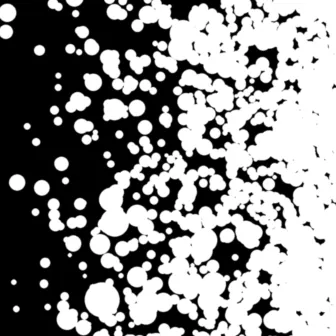
Film grain in Film(ish) simulates the particles, the negative they develop on and the scanner that reads them. Digital grain, the other kind, is a statistical model of the same emulsion.
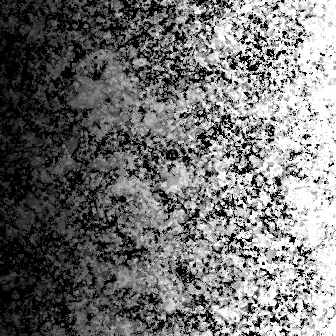
Nobody looks at film directly. A scanner reads it, and the scan is what people know as the look of film. Two things happen on the way.
A scanner reads the film through an aperture of fixed size; everything inside it becomes one reading. An aperture as wide as the grain averages it away; one half as wide records it with soft edges. 4 The rule is Selwyn's: the measured strength of grain falls with the square root of the area it is read through. 9 That is why a sharper scan of the same negative shows more grain, and why grain goes quiet when a picture is reduced.
Scanners and labs sharpen what they read. Sharpening raises contrast at edges, and grain is mostly edges. A sharpened scan shows crisper grain than the film holds.
Film(ish) does both. The grains are read through a spot of fixed size, then sharpened. Both steps are part of Film grain and have no controls. The spot is measured on the film, not in pixels, so the grain keeps its size at every export size.
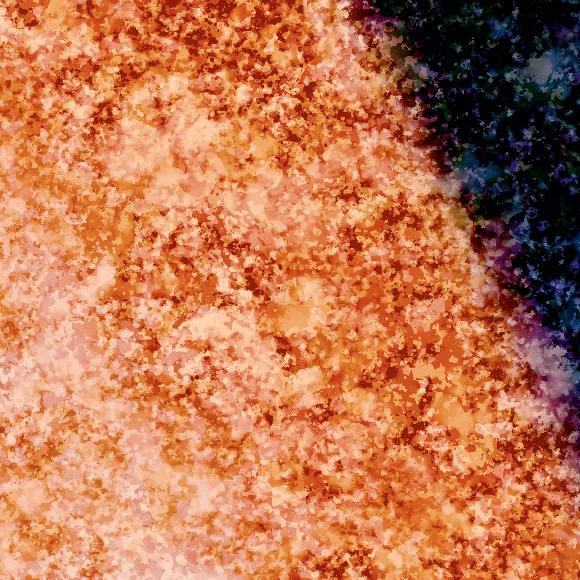
The Grain panel has three sections. Grain holds what most pictures need; Structure and Amplitude shape it by hand.
35mm and ISO 100, 200, 800 and 3200 are free; the rest is Pro.
Film format is the size of negative the grain is enlarged from: coarse at 8mm, fine at 120. It works with Film and Digital grain alike.
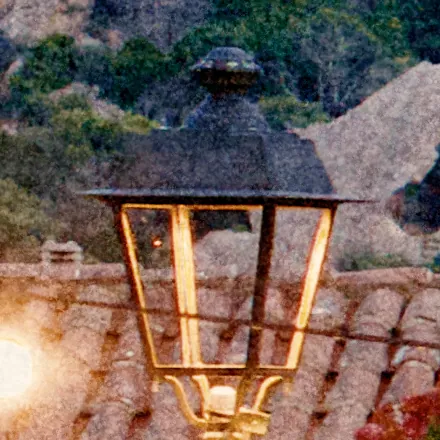
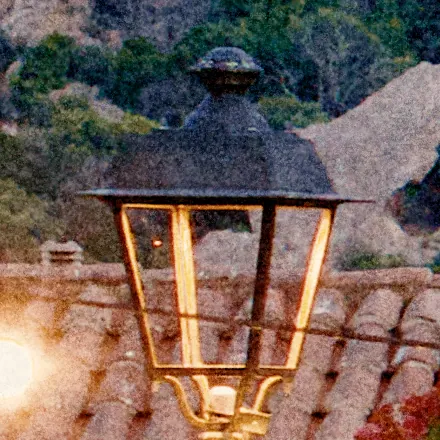


Film speed sets the whole texture in one tap, from fine at ISO 25 to heavy at 3200. Each speed is a set of values for the Structure sliders. Off removes the grain; Sync grain, on the Film panel, sets the speed to the stock’s own.
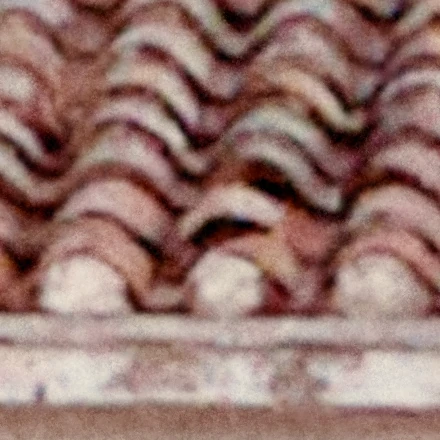
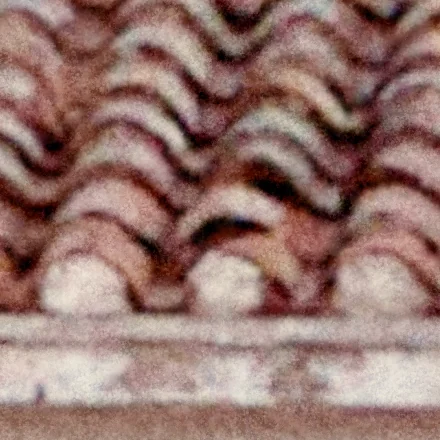
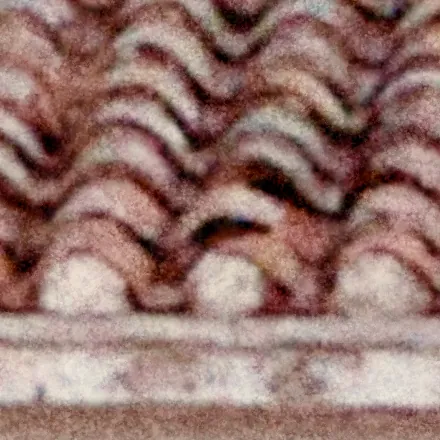
Strength is how much of the grain reaches the picture; the grain itself does not change. Turn it down and coarse grain gets quieter but stays coarse. It starts at 80.
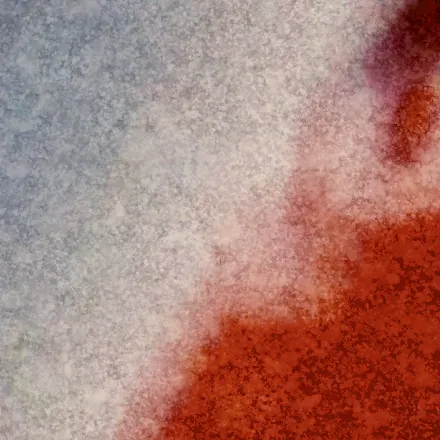
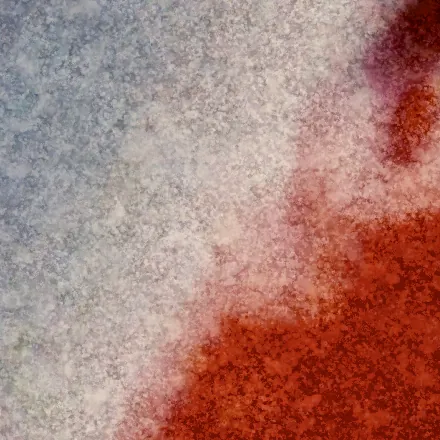
Amount is how much of the picture the crystals carry.
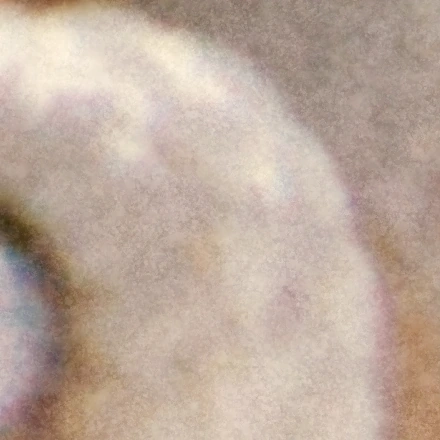
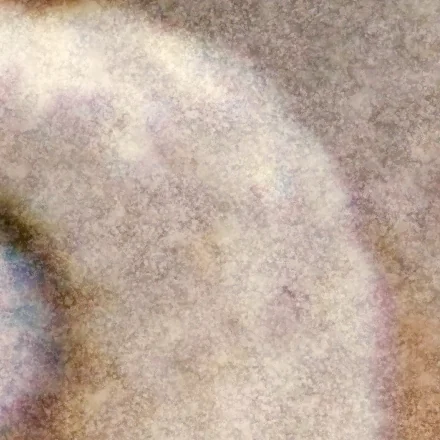
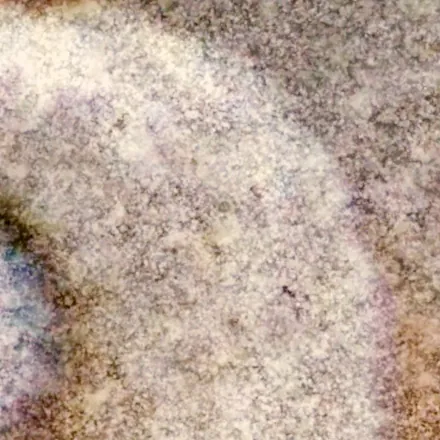
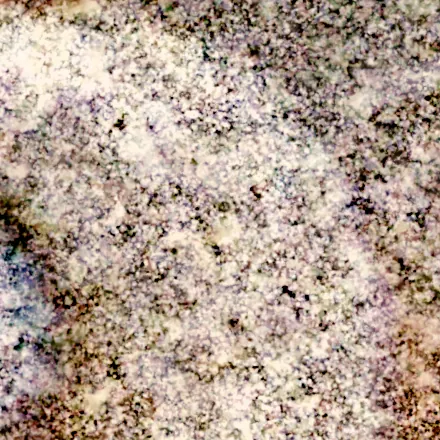
Size sets the average crystal size. Larger grain is also stronger, not only bigger.
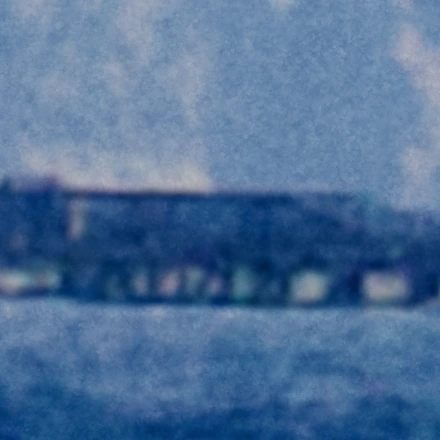
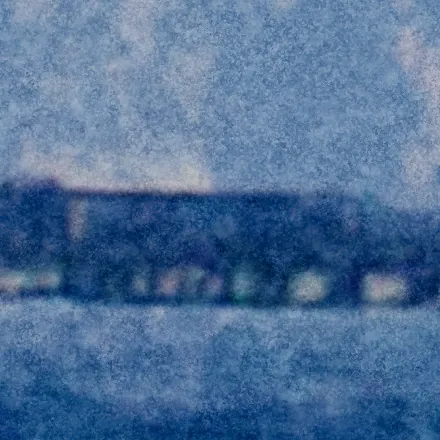
Roughness is how evenly the crystals are spread. Low spreads same-sized crystals in a near-regular pattern. High bunches them into dense patches with gaps between, and mixes large with small, so the grain reads coarser without getting bigger.
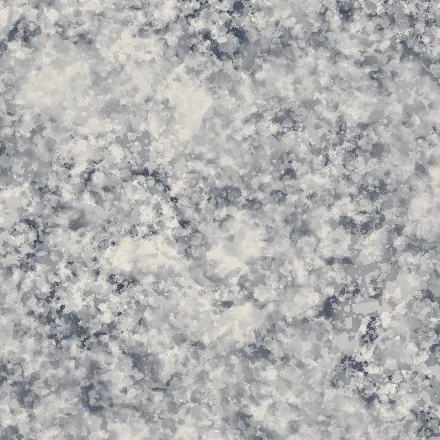
Softening is the film’s resolving power. At zero it matches the grain: bigger grain resolves less detail. Below zero the picture keeps more detail than its grain would allow; above zero, less.
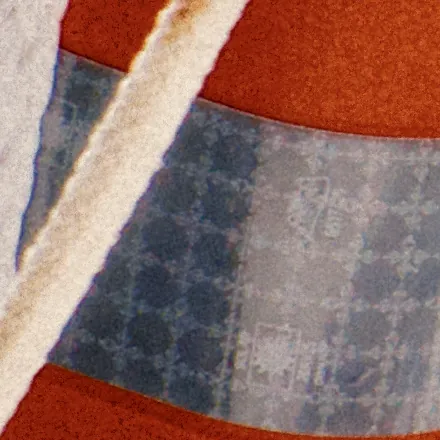
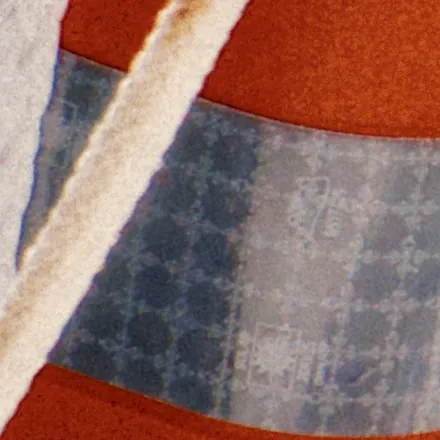
Color is how much color the grain carries, from none at zero to full.
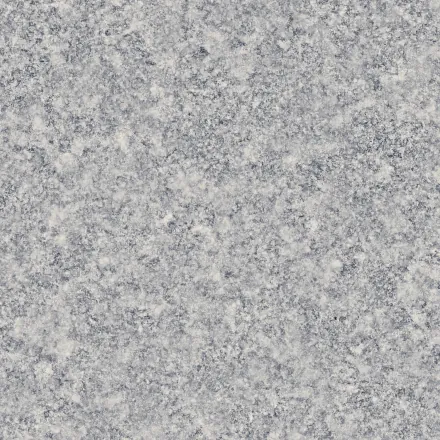
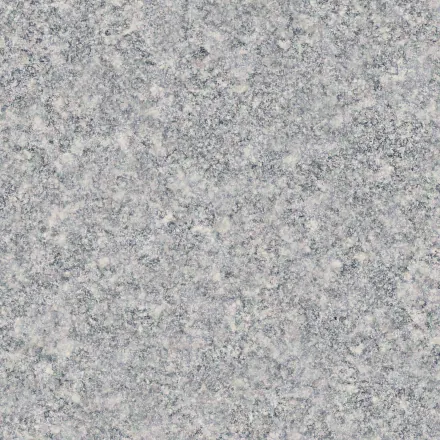
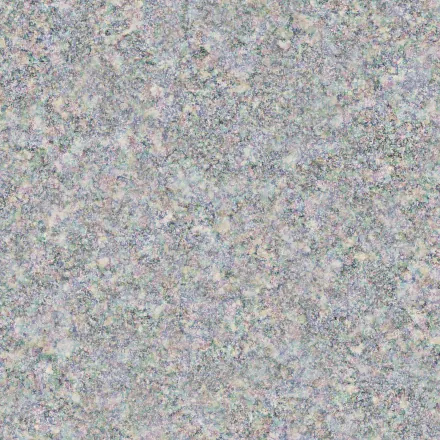
Global makes the grain louder, up to three times.
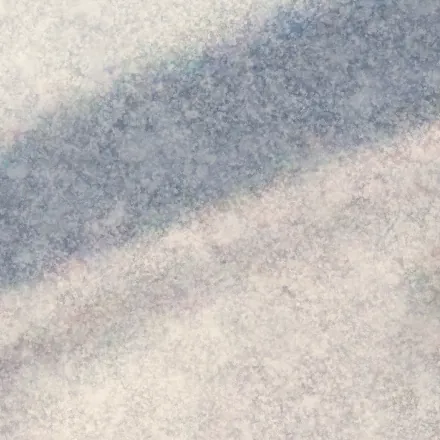
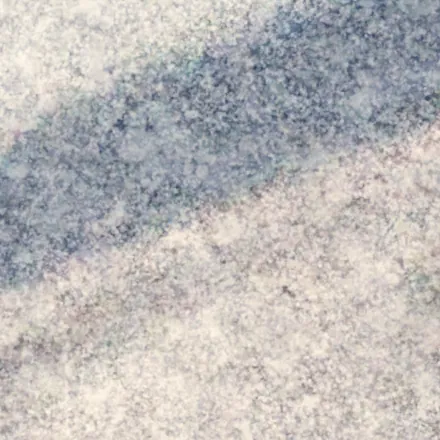
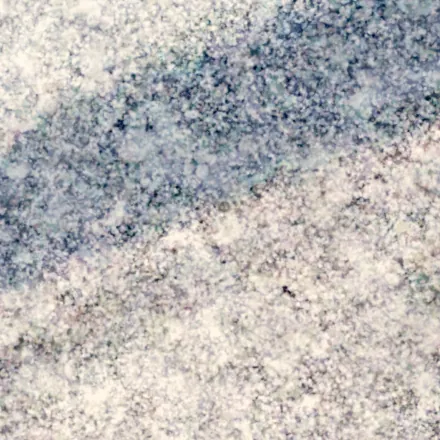
Shadows, Midtones and Highlights set the amplitude of each tone band, starting from the global value. Reach for them when you want more grain in the shadows or quieter highlights.
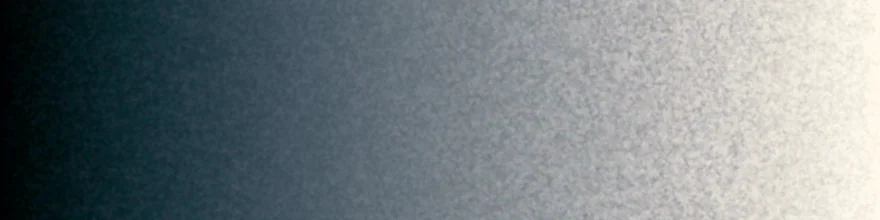
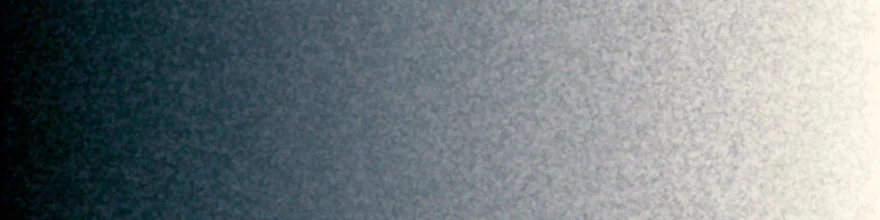
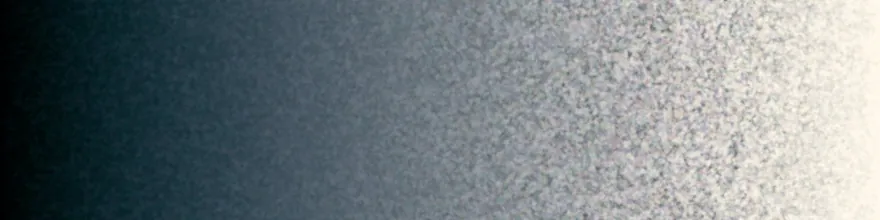

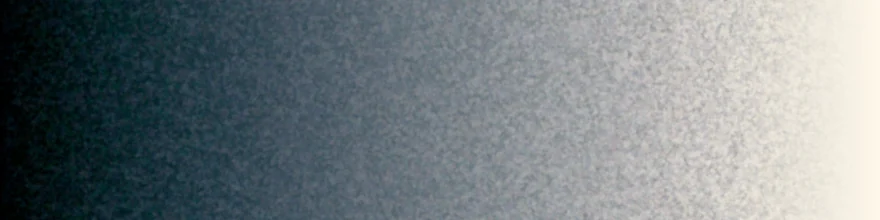
There are two kinds of grain. Film grain draws every grain, in the structure described above. Digital grain is the usual kind: a statistical texture, simpler and more even.
Both use the same formats, speeds and sliders.
At the size of a phone screen the two are close. The difference shows as the view gets closer: Film grain keeps its structure, and Digital grain stays even.
Video uses Digital grain. Fine structure does not survive video compression, and a new grain for every frame has to be quick to make.
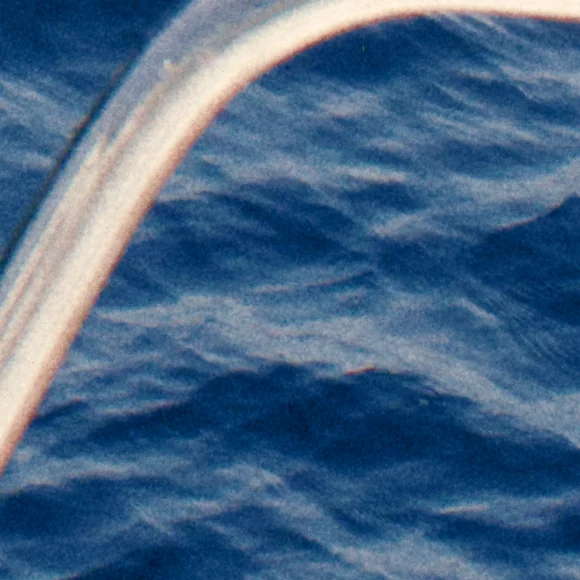
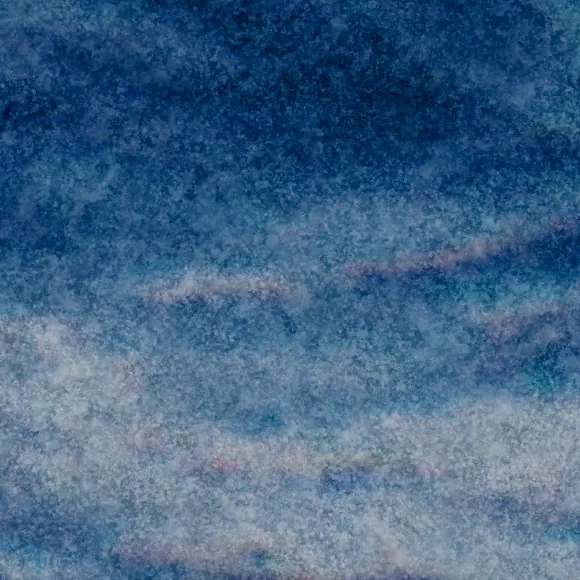
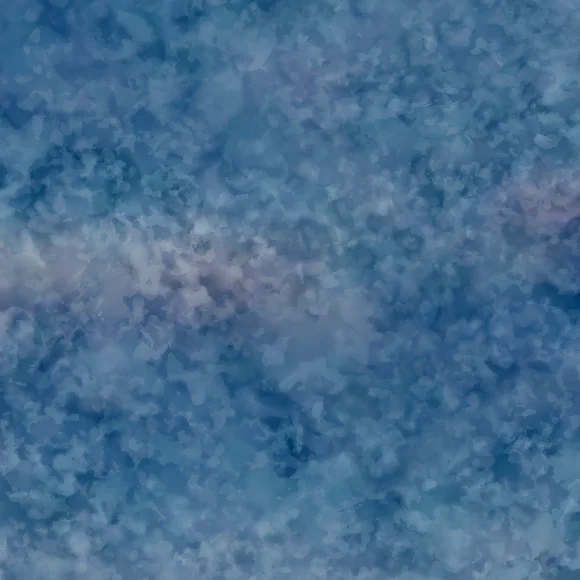
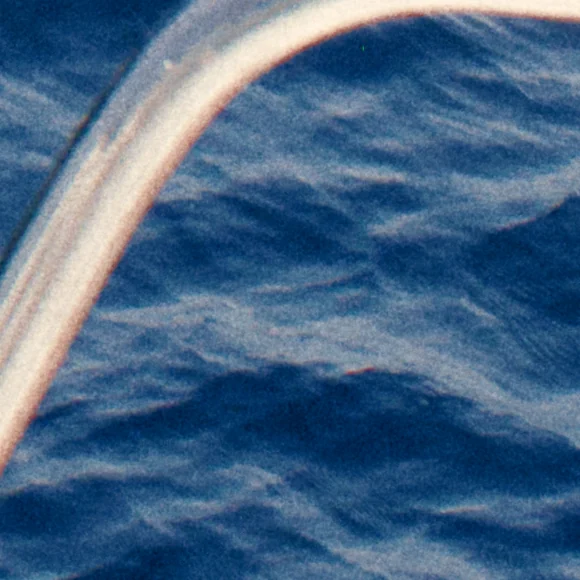
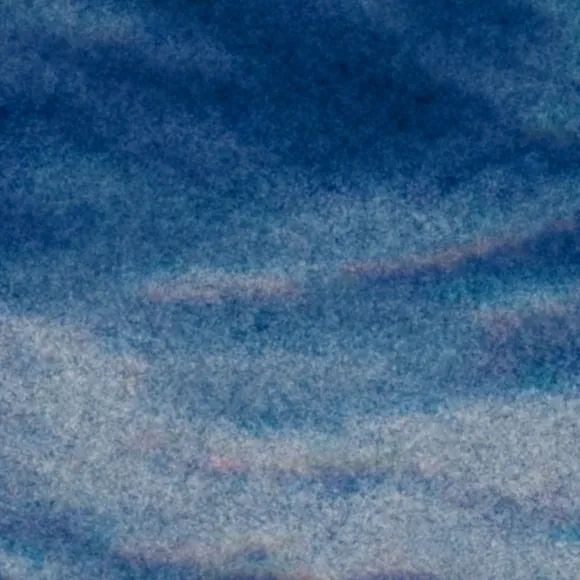
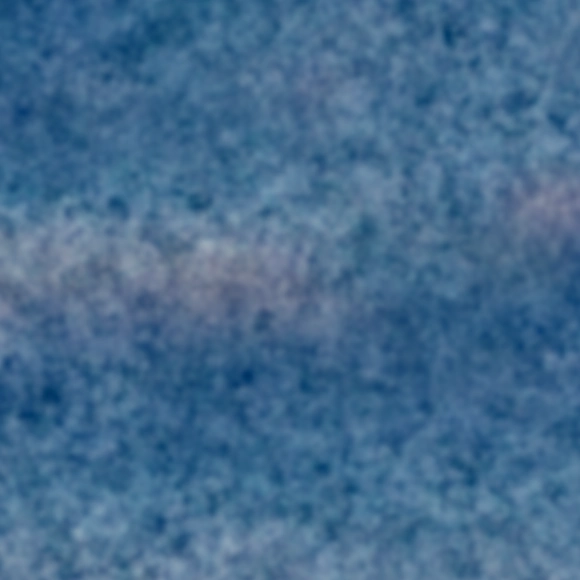
Figures rendered by the Film(ish) grain engine